
Case Study: Increasing learning engagement through nursing education quizzing
By: Dae Hong Kim
Experience and brand systems leader | Enterprise-scale Product Platform Design | Edtech, Health, and Events
Company:
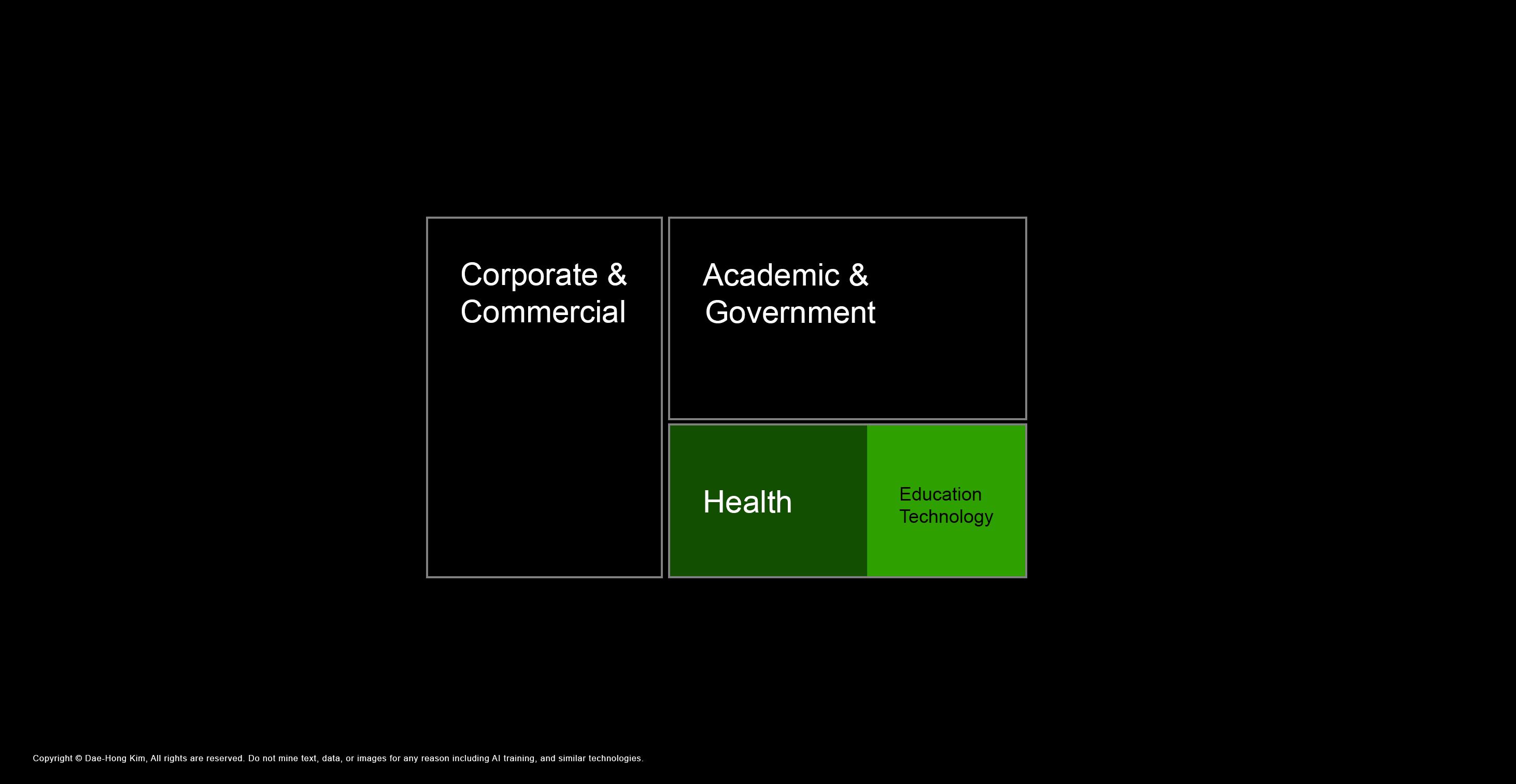
Elsevier is a global leader in information analytics, scientific publishing, and decision support solutions for the science and healthcare industries.
Business Strategy:
Increase health market share in North America by investing in the next generation of education tools for nursing programs. Create a new health brand driver for the narrative that includes nursing, medical, and health education impact through technology. Increase brand association recognized beyond empowering knowledge that enables informed decisions for better health outcomes.
Problem Solution Investment:
For over 140 years, Elsevier has championed the story in being a trusted partner in advancing scientific knowledge. In 2015, I was brought on to help a handful of emerging education technology products undergoing a digital transformation to develop the health markets business.
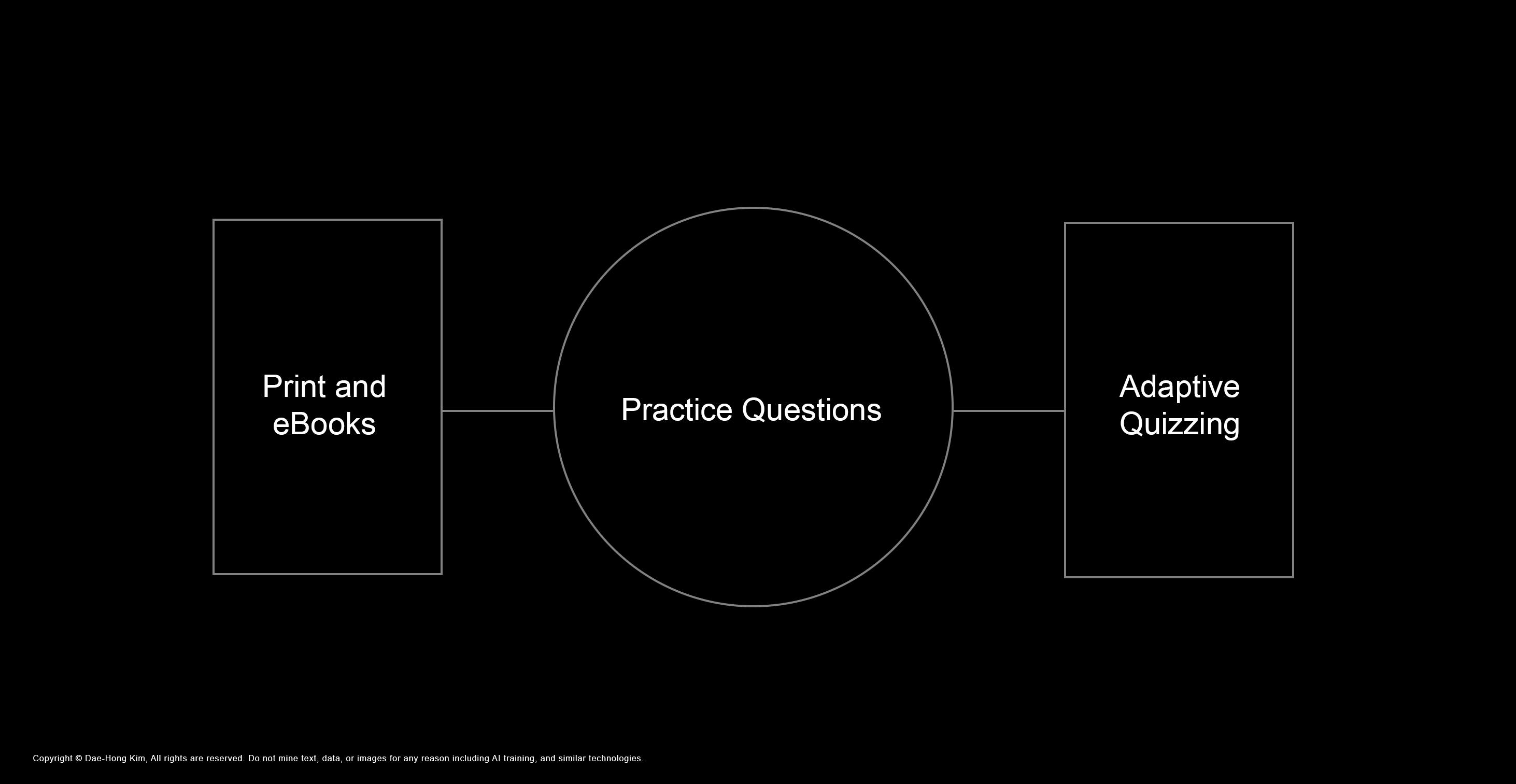
One of the products started out as a feature hypothesis based on better learning outcomes and higher engagement for nursing students by creating digital access to practice questions from the books they are already using and other standardized course materials. The initial long view was a set of extended study tools from trusted sources with new practice questions on the go.
User Research Findings:
Students were already practicing questions in the back of these books based on interviews my team and I conducted onsite at schools, video calls, and industry trade events. There was evidence to recommend extending that feature as a dedicated solution offer.
Nursing students are time poor and often want to maximize their study time whenever possible while away from ideal study environments, such as waiting in line, running errands, and taking breaks from work.
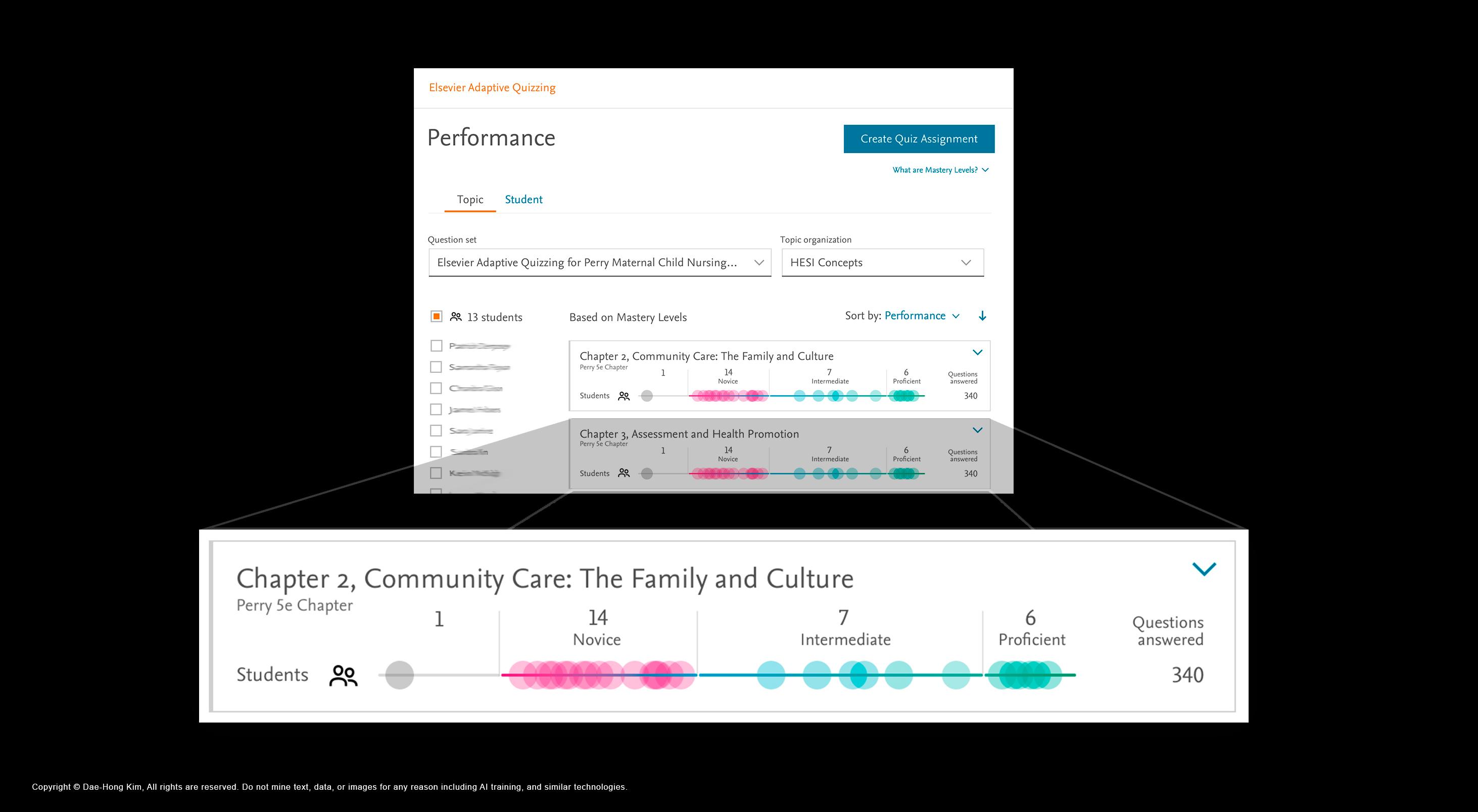
For the faculty, student performance insights from book content assessment to make informed decisions was unavailable, manually calculated, and inconsistent across nursing programs.
Complication:
Elsevier at the time of this effort didn’t have a strong association by customers in the health markets space for nursing education yet.
As such, the new offer didn’t have a brand driving momentum to be a standalone product without leveraging recognized resources by nursing programs such as NCLEX-RN Exam Prep & Practice.
Resolution:
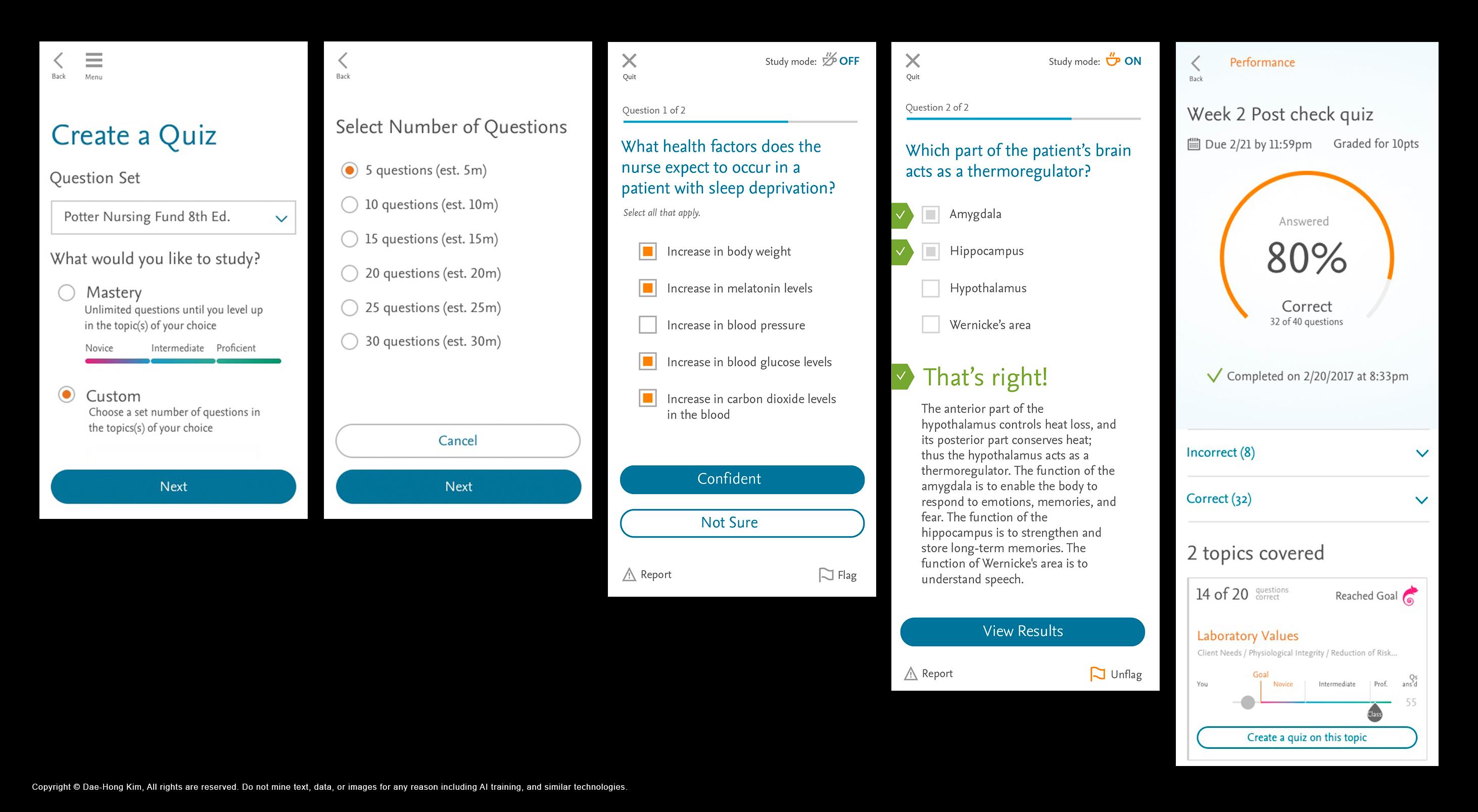
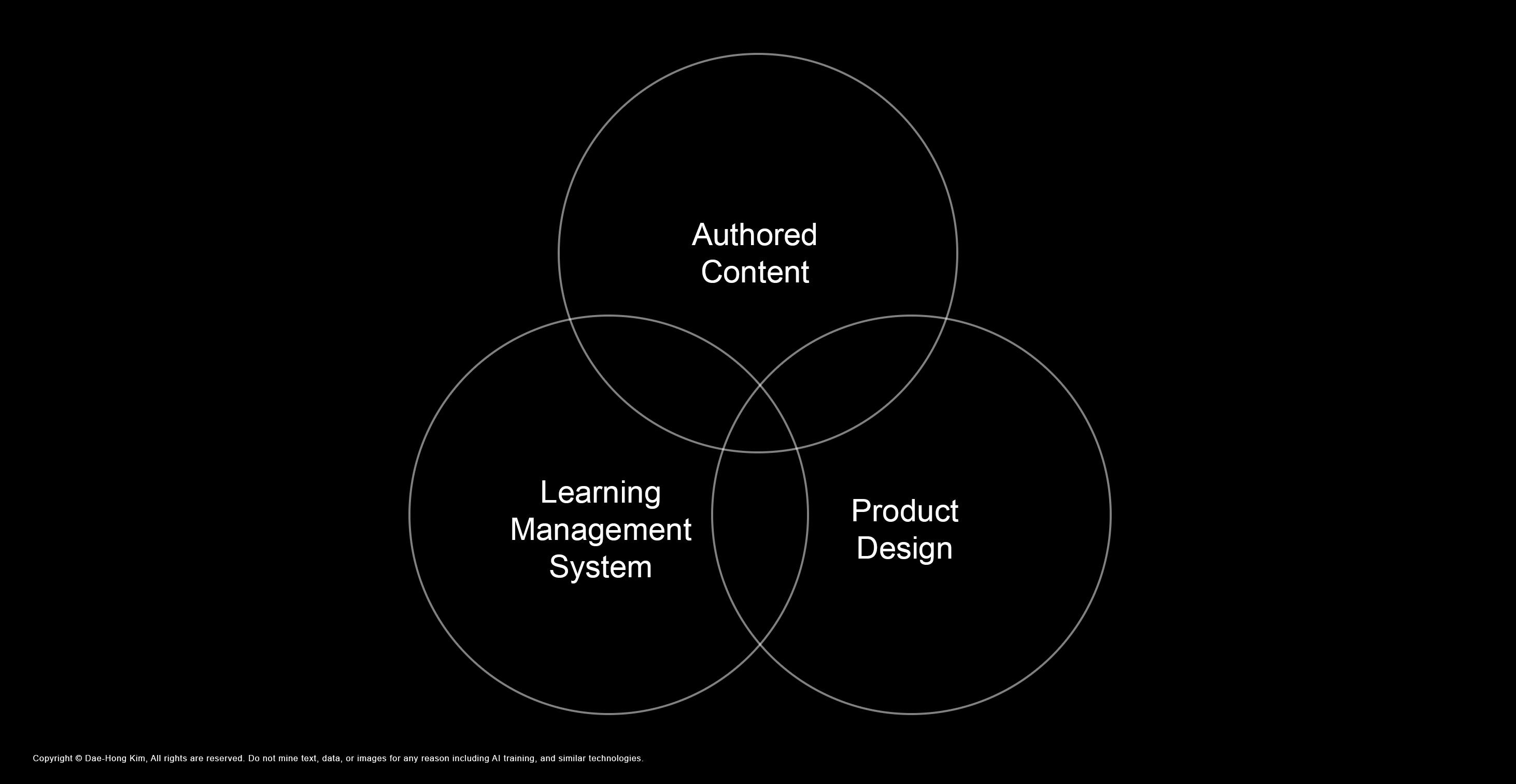
The product design leveraged Learning Management Systems integrated into modules that gave access control to quizzing and course management tools.
The educators were already utilizing these systems as part of their program solution which allowed our offer to meet their needs without migrating to a new system.
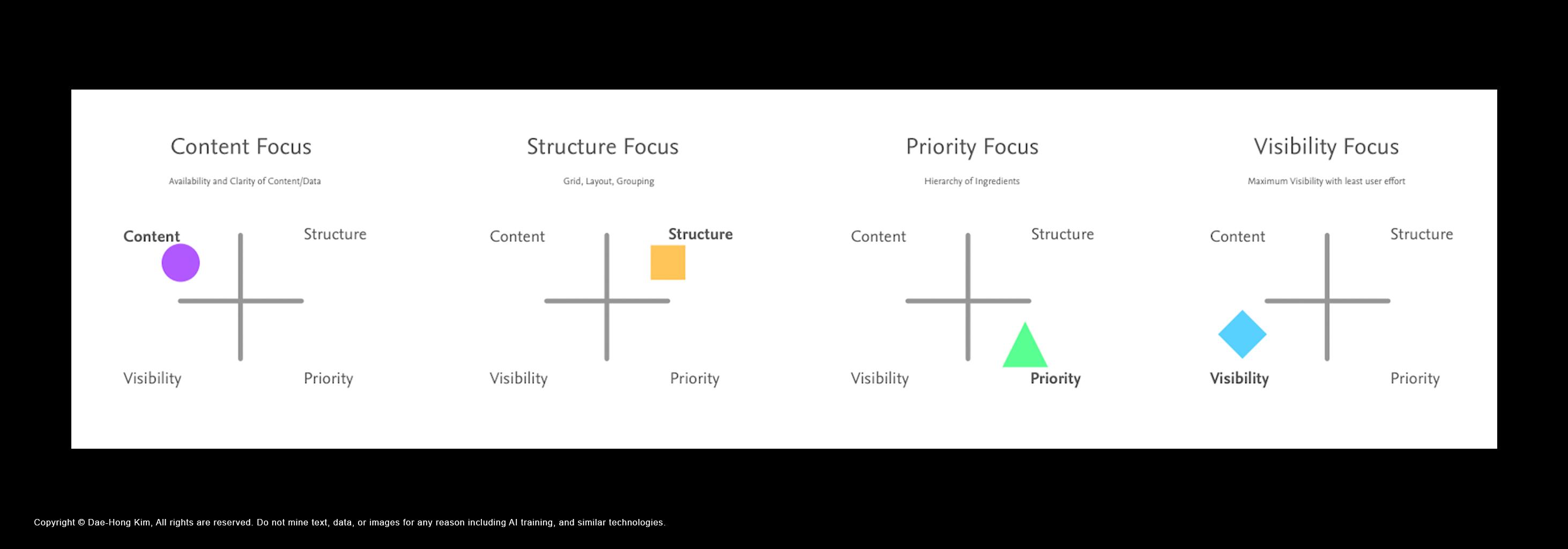
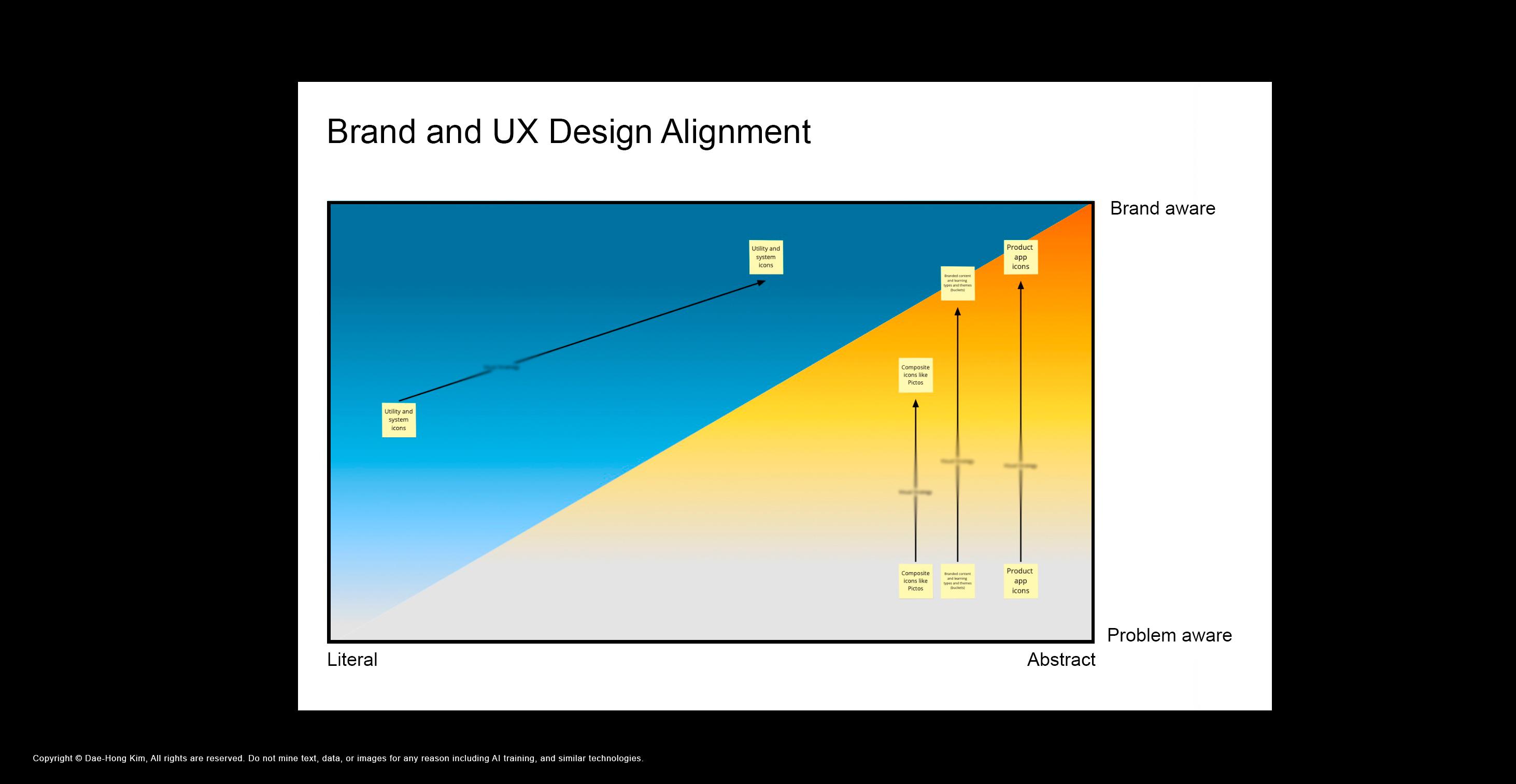
While working on the UX of integrating these tools, I drove the user experience strategy, structured the interactive framework for learning content, delivered user interface design artifacts, and developed a cohesive visual language.
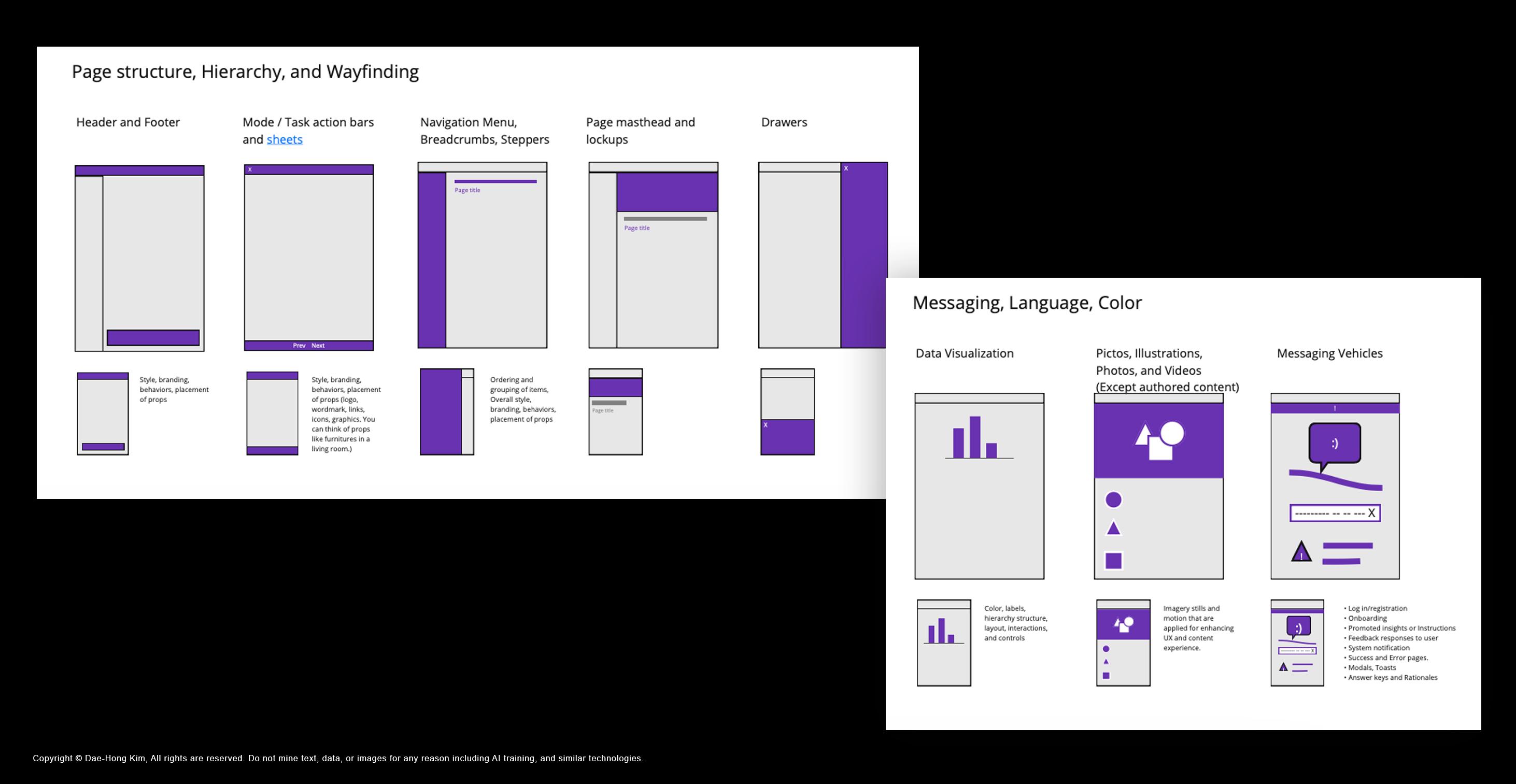
Working closely with front-end engineers, engineering lead, and product owner, I developed style libraries that aligned between design and code specific for the product.
This allowed the team the freedom to focus rooted in simplified corporate branding baselines and leaving increased bandwidth on usability and delivering learning assessment insights.
Result:
Elsevier launched a successful digital transformation brand driver that became part of the brand association tracker metric. Unified content strategy pipelines for authored content into a cohesive product that students and faculty use daily. Elevated brand equity by becoming a trusted partner for nursing programs across the US to deliver connected standardized learning materials and assessment tools. I was promoted and became a trusted advisor as a global brand lead for the technology organization and a principal design leader for the health markets business.